
Basic Methods of Flexibility Training
Flexibility training is a fundamental component of any well-rounded fitness regimen, offering benefits that extend beyond physical performance to include injury prevention, improved posture, and enhanced overall mobility. Whether you are an athlete, a yoga enthusiast, or someone simply looking to maintain a healthy lifestyle, understanding the core techniques of flexibility training can make a significant difference in your daily movement and long-term wellness.
Understanding the Importance of Flexibility
At its core, flexibility refers to the range of motion available at a joint. This capacity is influenced by factors such as muscle length, connective tissue elasticity, and neural control. Regular practice of flexibility exercises can help maintain or even improve this range, allowing for more efficient movement patterns and reducing the risk of strain or injury. For instance, a runner with tight hamstrings may experience discomfort during long-distance runs, whereas one who regularly engages in stretching routines may enjoy smoother, more sustainable performance.
Dynamic vs. Static Stretching: A Key Distinction
One of the most common methods of improving flexibility involves stretching, which can be broadly categorized into dynamic and static approaches. Dynamic stretching involves controlled movements that mimic the actions of the activity you’re about to perform. It is often recommended before workouts as it helps warm up muscles, increase blood flow, and prepare the body for more intense activity. For example, a basketball player might perform leg swings or arm circles before a game to activate the lower and upper body.
On the other hand, static stretching involves holding a stretch for an extended period—typically 15 to 30 seconds—without movement. This method is more effective when performed after exercise, as it allows muscles to relax and recover. A simple hamstring stretch, where you sit on the floor and reach for your toes, is a classic example of static stretching. While it may not be ideal before a high-intensity workout, it plays a crucial role in maintaining and enhancing long-term flexibility.
The Role of Proprioceptive Neuromuscular Facilitation (PNF)
For those seeking a more advanced approach, proprioceptive neuromuscular facilitation (PNF) offers a highly effective technique. PNF combines both stretching and contraction of the target muscle group, often using a partner or resistance band to enhance the effect. One popular PNF method is the contract-relax technique, where you first contract the muscle against resistance and then slowly stretch it while relaxing. This method is particularly useful for athletes or individuals recovering from injury, as it can significantly improve flexibility without overloading the joints.

Foam Rolling and Myofascial Release
Another valuable tool in the flexibility training arsenal is foam rolling, which falls under the broader category of myofascial release. This technique targets the fascia—the connective tissue surrounding muscles—to reduce tension and improve mobility. By applying pressure to specific areas, foam rolling can help break up adhesions and promote better circulation. For example, rolling out the quadriceps after a run can alleviate tightness and support faster recovery. It’s also a great way to incorporate self-care into your routine, making it accessible and practical for everyday use.
Incorporating Yoga and Pilates
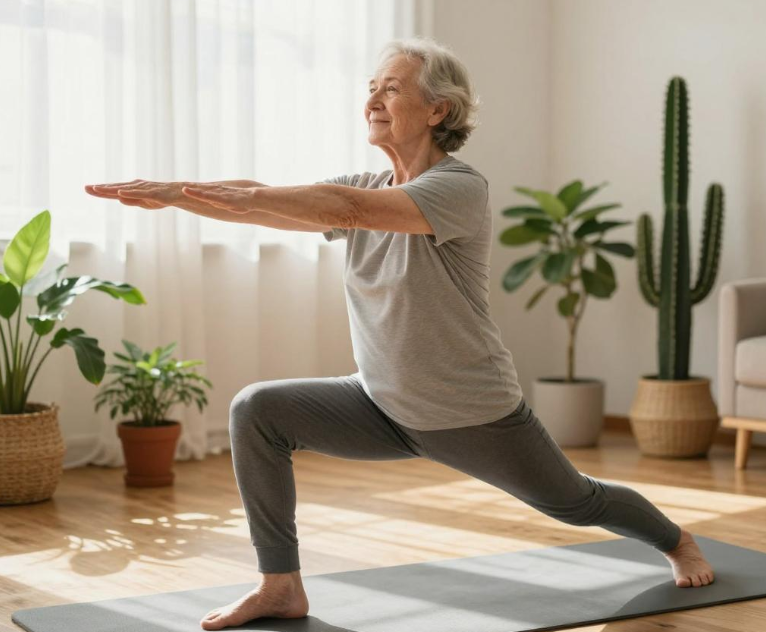
Yoga and Pilates are two disciplines that have long been recognized for their ability to enhance flexibility. These practices combine stretching with controlled breathing and body awareness, creating a holistic approach to movement. A typical yoga session might involve a series of poses designed to elongate muscles and improve balance, while Pilates focuses on core strength and precise, mindful movements. Both offer adaptable options for different skill levels, making them excellent choices for anyone looking to integrate flexibility into their lifestyle.
The Power of Consistency and Patience
Ultimately, the effectiveness of flexibility training depends largely on consistency and patience. Unlike strength training, which often shows rapid results, improvements in flexibility tend to develop gradually over time. It’s important to approach each session with mindfulness, avoiding the temptation to push too hard or rush the process. A little daily effort can yield substantial gains, especially when combined with proper form and technique.
In conclusion, flexibility training is not just about achieving greater range of motion—it’s about fostering a deeper connection between your body and movement. By incorporating a variety of methods such as dynamic and static stretching, PNF techniques, foam rolling, and mind-body practices like yoga, you can build a foundation that supports long-term health and performance. Whether you're a seasoned athlete or just beginning your journey, the key lies in embracing these practices with dedication and curiosity.
Disclaimer:
1. This article is sourced from the Internet. All content represents the author's personal views only and does not reflect the stance of this website. The author shall be solely responsible for the content.
2. Part of the content on this website is compiled from the Internet. This website shall not be liable for any civil disputes, administrative penalties, or other losses arising from improper reprinting or citation.
3. If there is any infringing content or inappropriate material, please contact us to remove it immediately. Contact us at:
