
The Most Fundamental Methods of Flexibility Training
Flexibility training is often overlooked in favor of more visible aspects of fitness such as strength or endurance, yet it plays a crucial role in overall physical health, injury prevention, and performance optimization. At its core, the most fundamental methods of flexibility training are simple, accessible, and effective when practiced consistently.
Understanding the Importance of Flexibility
Flexibility refers to the range of motion available at a joint, and it is influenced by factors such as muscle length, connective tissue elasticity, and neural control. While some individuals may naturally possess greater flexibility, it is a skill that can be developed through targeted practice. The benefits extend beyond just being able to touch your toes; improved flexibility enhances movement efficiency, reduces muscle imbalances, and supports better posture and alignment.
In many sports and daily activities, the ability to move freely and with control is essential. For instance, a dancer requires high levels of flexibility to perform complex movements, while an office worker may benefit from it to reduce stiffness and discomfort after long hours of sitting.

Foundational Techniques for Building Flexibility
The most basic approach to flexibility training involves static stretching, dynamic movement, and proprioceptive neuromuscular facilitation (PNF). Each of these techniques has its own unique advantages and applications.
Static stretching, which involves holding a stretch for a period of time—typically 15 to 30 seconds—is ideal for increasing muscle length and promoting relaxation. It is best performed after a warm-up or post-exercise, as cold muscles are more prone to injury. A simple example is the hamstring stretch, where one sits on the floor with one leg extended and reaches toward the toes.
Dynamic stretching, on the other hand, involves controlled movements that mimic the actions of the activity you're about to perform. This method is particularly useful before workouts, as it helps prepare the body for physical exertion. A common example is leg swings, which help activate the hip flexors and improve mobility in the lower body.
Proprioceptive neuromuscular facilitation (PNF) is a more advanced technique that combines stretching with muscle contraction. It is often used in rehabilitation settings and by athletes looking to maximize their range of motion. One popular PNF method is the contract-relax technique, where a muscle is contracted against resistance before being stretched.
Integrating Flexibility into Daily Routines
One of the biggest challenges in maintaining flexibility is consistency. Many people view it as a secondary concern, leading to irregular practice and limited progress. However, incorporating flexibility exercises into daily routines can make a significant difference.
For example, starting the day with a few minutes of gentle stretching can help wake up the body and improve circulation. Similarly, taking short breaks during sedentary work to perform mobility exercises can counteract the negative effects of prolonged sitting. Even small habits, like doing a seated forward fold or shoulder rolls, can contribute to long-term flexibility gains.
Real-World Applications and Practical Insights
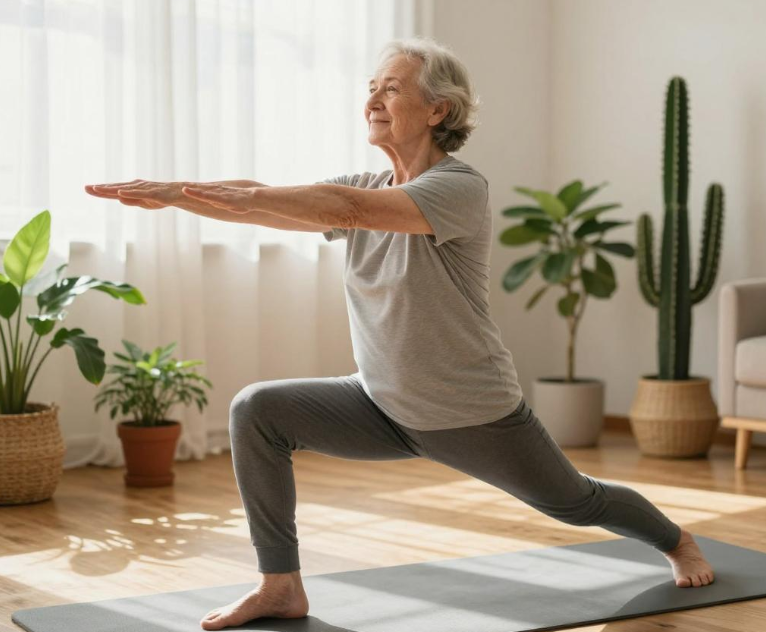
From a practical standpoint, flexibility training is not just about achieving certain positions—it’s about how the body functions in those positions. A runner who lacks hip flexibility may experience compensatory movements that lead to knee or lower back pain. By addressing these limitations early, they can enhance performance and reduce the risk of injury.
Incorporating flexibility into a broader fitness regimen also allows for better recovery. After intense workouts, muscles can become tight and restricted, making it harder to maintain proper form in subsequent sessions. Regular stretching helps restore balance and promote faster recovery.
Conclusion
At its heart, the most fundamental methods of flexibility training are rooted in simplicity and consistency. Whether through static stretching, dynamic movement, or PNF techniques, the key lies in regular practice and mindful engagement with the body. Flexibility is not a destination but a continuous process—one that, when nurtured, can significantly enhance both physical performance and quality of life.
Disclaimer:
1. This article is sourced from the Internet. All content represents the author's personal views only and does not reflect the stance of this website. The author shall be solely responsible for the content.
2. Part of the content on this website is compiled from the Internet. This website shall not be liable for any civil disputes, administrative penalties, or other losses arising from improper reprinting or citation.
3. If there is any infringing content or inappropriate material, please contact us to remove it immediately. Contact us at:
