
Power Leg Training: A Comprehensive Approach to Enhancing Lower-Body Strength
The importance of leg strength in athletic performance and overall physical health cannot be overstated. Whether you are a competitive athlete, a fitness enthusiast, or someone looking to improve daily mobility, developing powerful legs is essential. This article explores the principles and practices of power leg training, offering insights into how to effectively build lower-body strength through targeted exercises and progressive methodologies.
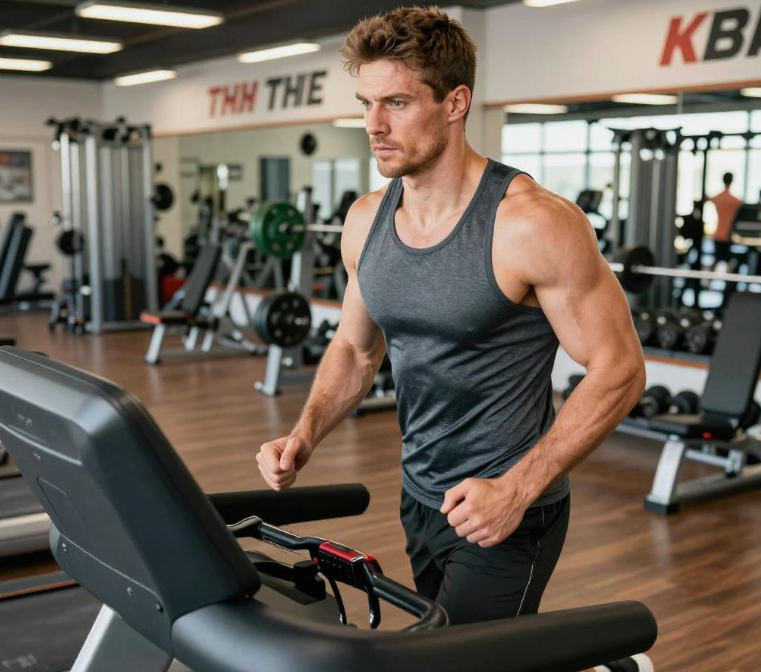
Understanding the Mechanics of Power Leg Training
At its core, power leg training focuses on generating maximum force in the shortest amount of time. Unlike traditional strength training, which emphasizes muscle size and endurance, power training prioritizes explosive movement and neuromuscular efficiency. Think of it as the difference between lifting a heavy weight slowly and quickly lifting a lighter one—both require strength, but only the latter demands power.
This type of training engages multiple muscle groups simultaneously, including the quadriceps, hamstrings, glutes, and calves. The key is to create dynamic movements that mimic real-world activities or sports-specific actions. For instance, a sprinter’s start or a basketball player’s jump shot relies heavily on the ability to produce rapid, controlled force from the lower body.
Key Exercises for Building Power in the Legs
A well-rounded power leg training program includes a variety of exercises designed to target different aspects of lower-body function. Plyometric drills such as box jumps and bounding are excellent for improving explosiveness, while resistance-based movements like squats and deadlifts lay the foundation for strength and stability.
One effective approach is to combine these elements into a circuit format, allowing for short rest periods and continuous engagement of the muscles. This not only enhances power output but also improves cardiovascular conditioning and muscular endurance. For example, a session might include a set of weighted squats followed by a series of lateral bounds, creating a dynamic flow that challenges both strength and agility.

Progressive Overload and Individualization
No two individuals are the same, and this principle holds true when it comes to power leg training. What works for a professional athlete may not be suitable for a recreational exerciser. Therefore, tailoring the program to individual needs and goals is crucial. Factors such as fitness level, injury history, and specific objectives should all influence the design of the training regimen.
Progressive overload remains a fundamental concept in any strength-based program. Gradually increasing the intensity, volume, or complexity of exercises ensures continued adaptation and growth. This could mean adding more weight to a squat, increasing the height of a box jump, or incorporating more complex movement patterns over time.
Incorporating Recovery and Mobility
While building power is important, recovery and mobility are equally critical. Overtraining can lead to fatigue, reduced performance, and even injury. Incorporating active recovery techniques such as foam rolling, stretching, and yoga can help maintain flexibility and reduce muscle soreness. Additionally, adequate sleep and proper nutrition play a vital role in supporting the body’s ability to adapt and recover.
Many athletes and trainers now recognize the value of mobility work as a proactive measure rather than a reactive solution. By maintaining joint range of motion and muscle elasticity, individuals can perform exercises with greater efficiency and reduce the risk of strain or imbalance.
Real-World Applications and Benefits
The benefits of power leg training extend far beyond the gym. Improved lower-body power translates to better performance in sports, enhanced balance and stability in daily life, and increased metabolic efficiency for fat loss. For older adults, strong legs can significantly reduce the risk of falls and support independent living.
Consider the case of a martial artist who relies on quick, explosive kicks or a dancer who requires precise control and speed in their movements. In both scenarios, power leg training provides the necessary foundation for peak performance. Similarly, everyday individuals benefit from stronger legs when climbing stairs, carrying groceries, or simply standing for long periods.
Conclusion
Power leg training is more than just a routine—it is a strategic approach to enhancing physical capability and functional performance. By focusing on explosive movements, progressive overload, and holistic recovery, individuals can unlock new levels of strength, speed, and resilience. Whether you are an elite athlete or a fitness beginner, integrating power leg training into your regimen can yield transformative results. The journey to stronger legs is not just about lifting weights; it’s about unlocking potential and achieving lasting physical excellence.
Disclaimer:
1. This article is sourced from the Internet. All content represents the author's personal views only and does not reflect the stance of this website. The author shall be solely responsible for the content.
2. Part of the content on this website is compiled from the Internet. This website shall not be liable for any civil disputes, administrative penalties, or other losses arising from improper reprinting or citation.
3. If there is any infringing content or inappropriate material, please contact us to remove it immediately. Contact us at:
