
Aerobics full version 30 minutes
For healthy people aged 18-55 years old without serious joint injuries or cardiovascular and cerebrovascular diseases, a complete exercise can consume 240-380 calories, and the fat-burning efficiency is similar to walking 7 kilometers briskly and jogging 4.5 kilometers, and the joint pressure is only about 30% of road running. If you insist on it 4 times a week for 4 consecutive weeks, your body fat rate can be reduced by 0.8%-1.5%, and your cardiopulmonary function can be improved by 10%-15%.
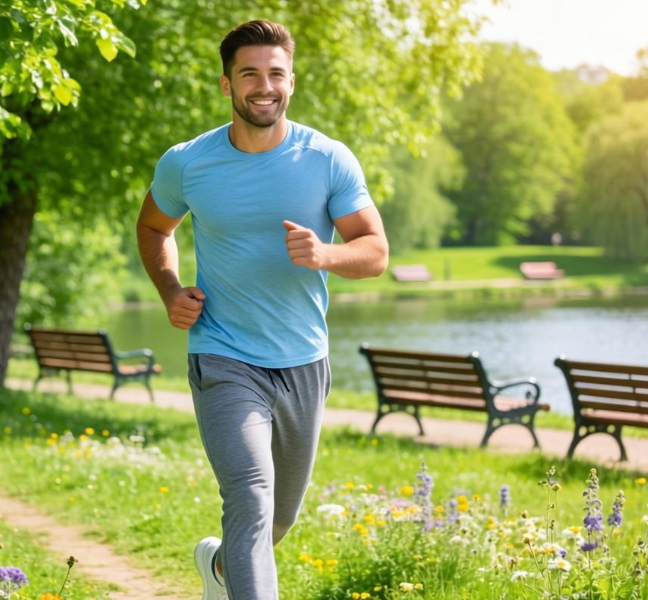
I first came into contact with aerobics in the winter of last year. At that time, I danced blindly following the fragmented clips on the Internet. Either the movements were so intense in the first 10 minutes that my heart rate soared to 180, and I squatted on the ground for half a day to catch my breath, or the second half of the exercise was full of water paddling. After the dance, it was no different from walking around for half an hour, and I didn't even sweat much. Later, after spending more than half a month with a friend who leads group classes at the gym, I came up with this 30-minute version that is suitable for most people. After practicing for three months, my knees have not hurt, my waistline has also shrunk by 3 centimeters, and I have even avoided bronchitis twice during the season change.
The aerobics on the market now actually fall into two extremes. One is the high-intensity intermittent style of Pamela and Liu Genghong, which requires jumping and following the rhythm throughout the whole process. It is really efficient in burning fat for young people who exercise regularly, but novices can easily follow it hard and easily get knee pain or get distracted; the other is the community square dance-style low-impact route, which is slow and small, friendly to joints but not efficient enough to burn fat. Dancing for half an hour consumes less energy than taking a hot bath. This version of mine is a compromise. There are no standard actions that must be strictly implemented. It all depends on your own state adjustment.
Before you start jumping, just spend five or six minutes to move your joints. I usually play a song with a relaxed rhythm like "Happy Worship", raise your arms and twist your hips, and circle your ankles and knees about ten times. Don't jump right up. I made this stupid mistake last winter. I only did 2 minutes of warm-up, and sprained my ankle after 10 minutes of jumping. I had to rest for almost two weeks. I really can't do it. If you jump in the morning on an empty stomach, or if the indoor temperature is low in winter, you can still stand still for two minutes, and it is not too late to move when your body feels a little warm.
The middle twenty minutes is the core segment, so there is no need to pursue a full heart rate throughout the entire process. I usually dance for 3 minutes with a slightly stronger movement, and then add 1 minute of buffering. For example, just after doing jumping jacks and crotch high-fives, I change to stepping and swinging my arms, and then continue after breathing well. Just control your heart rate at 60%-70% of (220-age). You don’t have to force yourself to jump as fast as others. Lifting your knees to your hips and swinging your arms past your shoulders is better than anything else. Oh, by the way, a sister used to argue with me, saying that aerobics must have a heart rate of 140 or above to be useful. In fact, it is not true. The 42-year-old sister Zhang downstairs has a bit high blood pressure. If she jumped according to this standard, she would have fainted. She lengthened the buffer period to 2 minutes every time, changed all jumping movements to strides, and lost 8 pounds in three months. The last physical examination showed that her cardiopulmonary function was much better than last year. The one that suits her is the right one.
Don’t just sit and lie down for the last four or five minutes. I used to find it troublesome to stretch, so I would just collapse on the sofa and check my phone after dancing. As a result, my calves were so sore the next day that I couldn’t go downstairs and even put on my boots. Now every time I focus on stretching the gastrocnemius of my calf, the quadriceps on the front of my thigh, and my shoulders and neck - after all, my arms are always raised when I jump, so many people ignore this area, and the next day it hurts like a stiff neck, which affects work too much.
Oh, by the way, I also have some random reminders, don’t dance in slippers, I’ll just complain to you downstairs, sprained feet will be even worse. If you live on a high-rise floor, if you’re afraid of noise, lay out a yoga mat with a size of more than 1 cm, turn the volume down, and don’t dance at 6 a.m. You still have to take care of neighborly relations. If you feel dizzy or have knee pain while jumping, just stop and rest. There is no need to hold on. The purpose of exercise is to feel comfortable. There is no need to make yourself suffer.
Anyway, I now regard these 30 minutes of aerobics as a regular relaxation program. It is much more cost-effective than going to the gym to apply for a card, and I don’t have to spend a lot of time. I can dance as soon as I change my shoes when I get home from get off work, and take a shower after sweating. Even the problem of lying awake until three in the morning is much better. If you haven't tried it before, you can try it tomorrow. Just remember to wear soft-soled sneakers.
Disclaimer:
1. This article is sourced from the Internet. All content represents the author's personal views only and does not reflect the stance of this website. The author shall be solely responsible for the content.
2. Part of the content on this website is compiled from the Internet. This website shall not be liable for any civil disputes, administrative penalties, or other losses arising from improper reprinting or citation.
3. If there is any infringing content or inappropriate material, please contact us to remove it immediately. Contact us at:
