
Strength Training for the Pelvic Floor
The importance of pelvic floor strength training has gained significant recognition in recent years, particularly among individuals seeking to improve overall health, manage chronic conditions, and enhance quality of life. Whether addressing issues like urinary incontinence, postpartum recovery, or simply maintaining long-term pelvic health, targeted exercises can yield meaningful and lasting results.
Understanding the Pelvic Floor
The pelvic floor is a complex network of muscles, ligaments, and connective tissues that form a supportive base for the organs in the lower abdomen. These muscles play a critical role in controlling urination, defecation, and sexual function, while also contributing to core stability and posture. Despite their importance, many people overlook the need to actively engage and strengthen these muscles, often leading to dysfunction over time.
In everyday life, factors such as pregnancy, childbirth, aging, obesity, and repetitive straining can weaken the pelvic floor. Without proper attention, this weakening can result in discomfort, reduced control, and even chronic pain. This is where strength training comes into play—not just as an exercise routine, but as a proactive strategy for maintaining functional well-being.
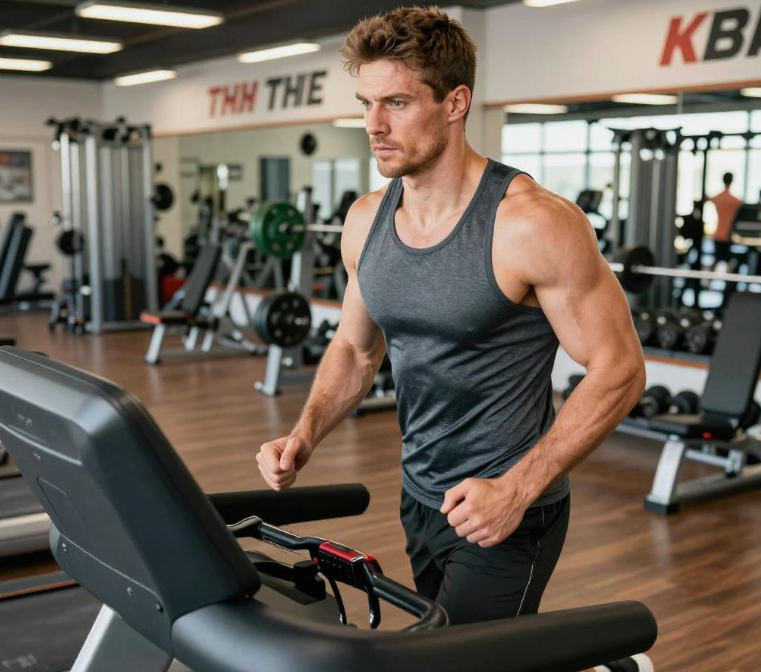
The Role of Strength Training
Strength training for the pelvic floor involves specific exercises designed to target and reinforce the muscles in this region. Unlike general cardiovascular or resistance workouts, these exercises focus on controlled, deliberate movements that build endurance, coordination, and muscle tone. Common techniques include Kegel exercises, which involve contracting and relaxing the pelvic floor muscles, as well as more advanced methods such as biofeedback-assisted training or the use of resistance devices.
What sets pelvic floor strength training apart is its adaptability. It can be tailored to individual needs, whether someone is dealing with a diagnosed condition or simply looking to prevent future issues. For instance, a postpartum woman might start with gentle contractions, gradually increasing intensity as her body recovers, while an athlete may incorporate pelvic floor engagement into their broader fitness regimen for enhanced performance and injury prevention.
Real-World Applications
Consider the case of a middle-aged man experiencing mild urinary leakage during physical activity. After consulting with a healthcare professional, he begins a structured pelvic floor strengthening program. Over time, he notices not only a reduction in symptoms but also improved core stability and better posture. His experience highlights how these seemingly small muscles can have a profound impact on daily functioning and overall wellness.
Similarly, women undergoing menopause often report increased pelvic floor weakness due to hormonal changes. Incorporating regular strength training into their routine can help mitigate these effects, offering relief from common discomforts and restoring a sense of control over their bodies.

Integrating Into Daily Life
One of the greatest advantages of pelvic floor strength training is its flexibility. It can be performed discreetly at any time, without the need for equipment or specialized facilities. This makes it an accessible option for people with busy schedules or limited access to gyms or clinics. However, consistency is key—like any form of exercise, the benefits are best realized through regular practice.
Healthcare professionals often recommend starting with simple routines and gradually progressing as comfort and strength improve. In some cases, working with a physical therapist or pelvic floor specialist can provide personalized guidance, ensuring that exercises are performed correctly and effectively.
Conclusion
In summary, strength training for the pelvic floor is more than just a niche fitness trend—it is a vital component of holistic health care. By understanding the role of these muscles and committing to targeted exercises, individuals can address existing issues, prevent future complications, and enjoy a higher level of physical and emotional well-being. As awareness grows, so too does the potential for this type of training to become a standard part of health and fitness practices worldwide.
Disclaimer:
1. This article is sourced from the Internet. All content represents the author's personal views only and does not reflect the stance of this website. The author shall be solely responsible for the content.
2. Part of the content on this website is compiled from the Internet. This website shall not be liable for any civil disputes, administrative penalties, or other losses arising from improper reprinting or citation.
3. If there is any infringing content or inappropriate material, please contact us to remove it immediately. Contact us at:
