
Low-Impact Aerobic Exercises for Knee Health
For individuals seeking to maintain cardiovascular fitness without compromising joint health, low-impact aerobic exercises offer a compelling solution. These activities provide the benefits of traditional cardio workouts while significantly reducing stress on the knees and other weight-bearing joints. Whether you are an older adult, someone recovering from an injury, or simply looking to stay active with less strain, there are numerous options available that support both physical well-being and long-term mobility.
Understanding the Importance of Joint-Friendly Movement
The knee is one of the most complex joints in the human body, bearing the brunt of daily activities like walking, standing, and climbing stairs. Over time, high-impact movements—such as running or jumping—can lead to wear and tear, increasing the risk of conditions like osteoarthritis. Low-impact aerobic exercises, however, are designed to keep the heart rate elevated without subjecting the joints to excessive force. This makes them ideal for maintaining overall fitness while protecting the knees from unnecessary damage.
Swimming: A Gentle yet Effective Option
Swimming stands out as one of the most accessible and beneficial forms of low-impact exercise. The buoyancy of water reduces pressure on the joints, allowing for full-body movement with minimal strain. Whether it's freestyle, backstroke, or even water aerobics, swimming offers a unique environment where resistance is controlled and movement is smooth. For those with chronic knee pain or post-surgical recovery needs, swimming can be a cornerstone of rehabilitation and maintenance.
Cycling: Pedal Your Way to Better Health
Cycling, whether outdoors on a road bike or indoors on a stationary trainer, is another excellent choice for those prioritizing knee health. The motion is continuous and rhythmic, which helps build endurance without the jarring impact of running. Additionally, adjusting the seat height and resistance levels allows for personalized intensity, making cycling adaptable to different fitness levels and goals. It’s not just about the legs—it also engages the core and improves cardiovascular function, offering a well-rounded workout.

Elliptical Training: A Smooth Alternative to Running
For those who miss the feel of running but want to avoid its impact, the elliptical machine provides a viable alternative. Unlike treadmills, ellipticals move in a smooth, gliding motion that mimics natural movement patterns while keeping the feet firmly planted. This design minimizes the shock absorbed by the knees and ankles, making it a popular choice in gyms and rehabilitation centers alike. Many models also allow users to simulate different terrains or inclines, adding variety and challenge to the workout.
Walking: Simple, Accessible, and Beneficial
Though often overlooked, walking remains one of the most straightforward and effective low-impact aerobic exercises. It requires no special equipment, can be done almost anywhere, and offers a range of health benefits when performed regularly. Choosing the right footwear and terrain—such as soft trails or indoor tracks—can further reduce knee strain. Walking also has the advantage of being easily adjustable; you can increase speed or distance gradually to match your fitness level.
Yoga and Tai Chi: Mind-Body Harmony for Joint Health
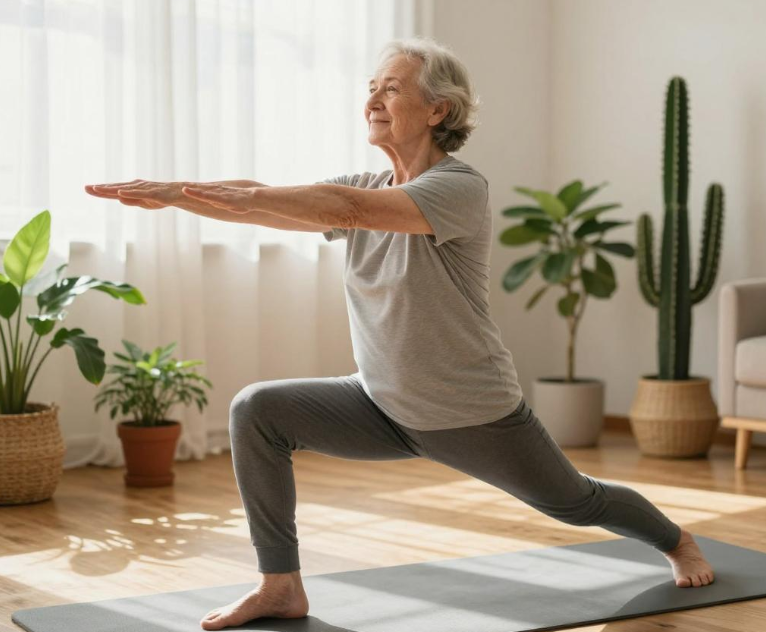
While not traditionally classified as aerobic, practices like yoga and tai chi incorporate slow, deliberate movements that improve flexibility, balance, and circulation. These activities can be particularly valuable for individuals with knee concerns, as they focus on controlled motion and body awareness. Many yoga poses, such as the cat-cow stretch or downward dog, gently engage the lower body without placing undue stress on the joints. Similarly, tai chi’s flowing sequences promote stability and coordination, contributing to overall joint resilience.
Conclusion: Prioritize Smart Movement for Long-Term Wellness
Incorporating low-impact aerobic exercises into your routine is more than just a way to stay fit—it’s a proactive approach to preserving joint health and enhancing quality of life. By choosing activities that minimize knee strain while maximizing cardiovascular benefits, individuals can enjoy sustained physical activity without the risk of long-term damage. Whether through swimming, cycling, elliptical training, or mindful movement practices, there are countless ways to stay active and healthy. The key lies in understanding your body’s needs and selecting exercises that align with both your fitness goals and your long-term well-being.
Disclaimer:
1. This article is sourced from the Internet. All content represents the author's personal views only and does not reflect the stance of this website. The author shall be solely responsible for the content.
2. Part of the content on this website is compiled from the Internet. This website shall not be liable for any civil disputes, administrative penalties, or other losses arising from improper reprinting or citation.
3. If there is any infringing content or inappropriate material, please contact us to remove it immediately. Contact us at:
