
The Comprehensive Guide to a Structured Gym Workout Process
A well-designed gym workout process is essential for maximizing fitness outcomes, ensuring safety, and maintaining long-term consistency. Whether you're a seasoned athlete or a beginner stepping into the world of weight training, understanding and following a systematic approach can make all the difference in your progress.
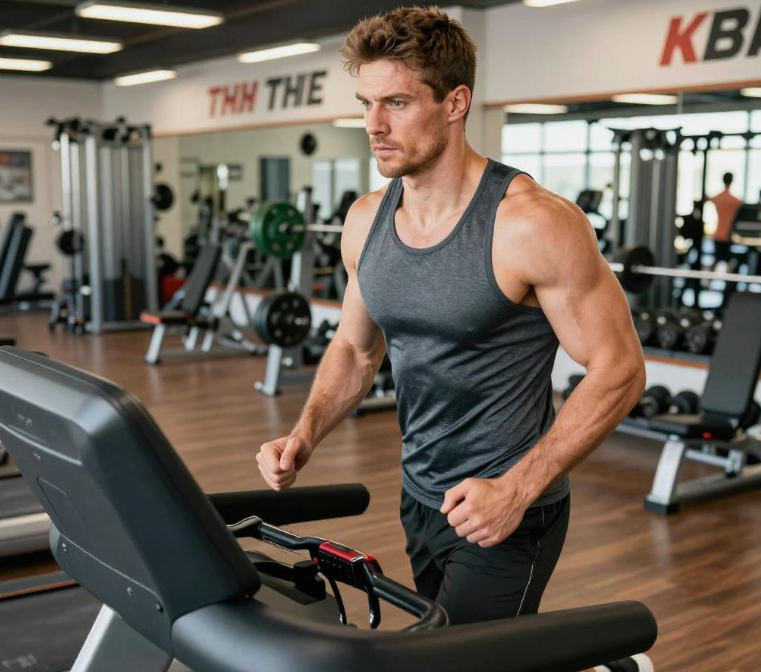
Understanding the Foundation of Effective Workouts
At its core, an effective gym session is more than just lifting weights or running on a treadmill—it’s about intentionality, planning, and execution. The foundation of any successful workout lies in proper preparation. This includes setting clear goals, selecting appropriate exercises, and understanding how each movement contributes to your overall fitness objectives. Think of it as mapping out a journey: without a plan, it's easy to lose direction or waste time.
The Step-by-Step Breakdown of a Gym Session
Starting with a dynamic warm-up is crucial. Unlike static stretching, which has its place but not in every scenario, dynamic movements such as leg swings, arm circles, and bodyweight squats help increase blood flow, activate muscles, and reduce the risk of injury. A good warm-up sets the tone for the entire session and signals to your body that it's time to work.
Once warmed up, the main workout begins. This phase typically consists of compound movements—exercises that engage multiple muscle groups at once—followed by isolation exercises targeting specific areas. For example, a full-body routine might start with a squat or deadlift, then move to a bench press or row, and conclude with bicep curls or tricep extensions. The order matters, as it allows the body to perform optimally when muscles are fresh.
Rest periods between sets are often underestimated but play a vital role in recovery and performance. Short breaks (30–90 seconds) between high-intensity lifts help maintain intensity, while longer rests (2–3 minutes) are necessary after heavy compound movements. These intervals allow the nervous system to reset and muscles to recover, enabling better form and greater strength output in subsequent sets.

Cooling Down and Recovery
After the main workout, a cool-down period should not be overlooked. This is where static stretching comes into play, helping to improve flexibility, reduce post-exercise soreness, and promote relaxation. Incorporating deep breathing techniques or light walking can also aid in bringing the heart rate down gradually and preparing the body for the end of the session.
Recovery is equally important. Proper hydration, nutrition, and sleep are key components that support muscle repair and growth. Many athletes and trainers emphasize the importance of rest days, allowing the body to adapt and become stronger over time. It’s not just about what you do in the gym, but also how you take care of yourself outside of it.
Adapting the Process to Individual Needs
No two people are the same, and the ideal gym workflow can vary depending on personal goals, experience level, and physical condition. A marathon runner may focus more on endurance and mobility, while a bodybuilder might prioritize hypertrophy and progressive overload. Understanding your own needs and adjusting the workout structure accordingly is what separates a generic routine from a tailored one.
Real-World Application and Practical Insights
Consider the case of a busy professional who wants to build lean muscle but struggles to find time. By structuring their workouts efficiently—focusing on compound movements and keeping sessions under an hour—they can achieve significant results without sacrificing other commitments. Similarly, someone recovering from an injury might benefit from a slower, more deliberate approach, incorporating mobility drills and low-impact exercises to rebuild strength safely.
Conclusion
In summary, a structured gym workout process is not a rigid formula but a flexible framework designed to support individual goals and lifestyle constraints. From warming up to cooling down, from exercise selection to recovery strategies, every element plays a role in shaping a productive and sustainable fitness journey. By approaching each session with purpose and awareness, individuals can unlock their full potential and enjoy long-term success in their health and wellness pursuits.
Disclaimer:
1. This article is sourced from the Internet. All content represents the author's personal views only and does not reflect the stance of this website. The author shall be solely responsible for the content.
2. Part of the content on this website is compiled from the Internet. This website shall not be liable for any civil disputes, administrative penalties, or other losses arising from improper reprinting or citation.
3. If there is any infringing content or inappropriate material, please contact us to remove it immediately. Contact us at:
