
Home fitness yoga tutorial
Don't pursue high difficulty, put physical comfort as the first criterion.
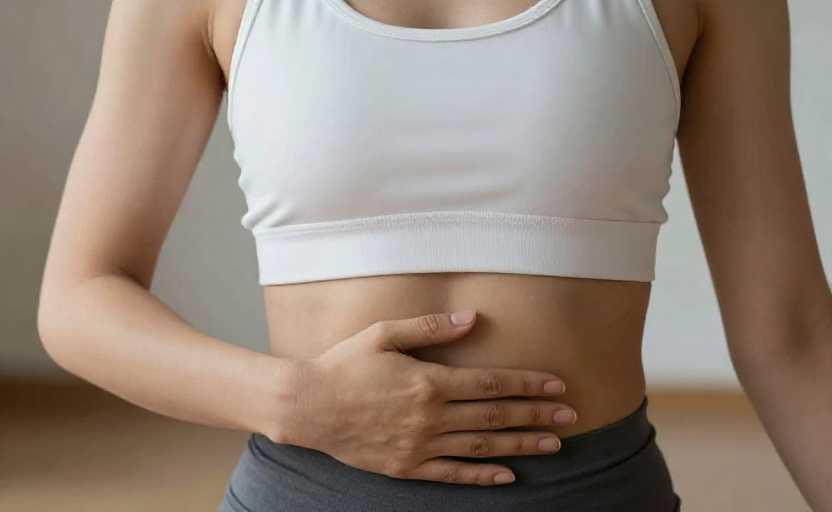
To be honest, I went through a lot of trouble when I first started practicing yoga two years ago. I signed up for an offline annual pass, and collected professional non-slip mats, yoga bricks, stretch belts and even yoga wheels with massage points, and piled up half of the balcony. However, after two months of staying at home during the epidemic, I realized that 80% of the equipment was useless. Now I am on a business trip and stay in a hotel, and I can practice for 15 minutes with my bare feet on the carpet. The relaxing effect on my shoulders and neck is not much different from practicing in a gym. Oh, by the way, everyone has their own opinions on whether to practice Ashtanga on an empty stomach: My friends who practice Ashtanga all year round insist on getting up in the morning on an empty stomach and then eating after practicing, saying that this will not burden the gastrointestinal tract and make it easier to find a sense of core strength. People with hypoglycemia who feel dizzy without eating anything will definitely eat half a piece of whole wheat bread or a small banana before practicing restorative yoga or flow yoga. They practice on an empty stomach several times until their eyes turn black, which is not worth the loss. So there is no need to blindly follow this point. Your own comfort is the most important.
Nowadays, most people sit in the office for a long time, and their shoulders and necks are as hard as rocks. Every time I change my plan until my neck is so stiff that I can't move, I will stop and sit for 10 minutes: just sit and stand on the mat in Mountain Pose first. If you can't sit still, it's perfectly fine to put a pillow under your buttocks. Don't listen to some people who say that your back must be straight. After sitting for a long time, your waist will become sore. Interlock the ten fingers behind your hands, slowly lower your shoulders, and feel the stretch on the outside of your upper arms. Gently tilt your head to one side without straining. Hold for 30 seconds and change sides. After two attempts, the tightness in your shoulders and neck will be reduced by more than half. Then do 5 sets of cat-cow poses, kneel on the mat, bend your waist and raise your head when you inhale, arch your back and chest when you exhale. There is also a saying from different schools: Iyengar system teachers will require you to cooperate with abdominal breathing. When you inhale, your belly will expand, and when you exhale, you will tighten your core, but it is very difficult. Many flow yoga teachers who focus on being beginner-friendly will say that you don’t have to worry about breathing at the beginning, just make the movements smooth and breathe naturally. When I was a novice, I practiced the movements first, and then I naturally followed my breathing as I became familiar with it. I don’t need to set so many thresholds for myself at the beginning, which makes it easy to give up.
If you want to train your core and improve the flabby belly caused by sitting for a long time, don't just hold on to the plank. The boat pose variation of yoga is too friendly to novices: sit on the mat, heels on the ground, your body slightly backwards, tighten your core, and then lift your feet if you can stabilize them. Novices can just bend their knees, don't force their legs to straighten and form a concave shape. My best friend had to stretch her legs for one minute in order to post a photo on Moments. Her back hurt for three days, but it was not worth the gain. One thing to mention here is that if you feel soreness in your waist during core training, stop and adjust immediately, either reduce the difficulty or take a rest. Don't listen to the nonsense that "soreness means it is effective". Pain is a sign of injury. There is no need to carry it hard. If you want to stretch the back of your legs after practicing your core, do Downward Dog. There are different opinions on whether or not your heels should be on the ground in Downward Dog. Iyengar’s teacher will recommend that you put your heels down as much as possible. If you can’t, use a yoga block or slightly bend your knees. Focus on Stretch the back of the legs, but many teachers of flow yoga or Ashtanga will say that you don’t need to step on it deliberately, just keep the spine extended and the ischium pushed upward. The purpose is to activate the posterior chain of the whole body. Both statements are correct. It just depends on your current needs.
Oh, by the way, there are still many people who want to rely on yoga to improve their sleep. The most useful one I have personally tested is the 10-minute recovery sequence before going to bed: first do baby pose for 3 minutes. You can spread your knees apart or bring them together, whichever is more comfortable. Put a pillow on your forehead to relax more, and then put your legs Put it on the wall, lie your upper body flat, and hold it for 5 minutes. Breathe slowly and slow down. You don't have to count your breaths deliberately. Just bring it back to your breathing when your mind wanders. I used to stay up late to catch up on projects and had insomnia until 2 o'clock. After doing this sequence for less than 10 minutes, I was so sleepy that I couldn't open my eyes. It's much easier to use than melatonin.
Don’t follow short videos to practice difficult postures blindly, such as wheel poses, headstands, and scorpion poses. They look cool, but without a teacher to adjust the strength, it is very easy to get injured. My downstairs neighbor used to practice headstands by following the video. He lost his balance and fell down and twisted his neck. He wore a neck brace for half a month. It was completely unnecessary. The best thing about practicing yoga at home is that you don’t have to compete with others in the gym. You don’t have to compete with others to see whose postures are more standard or who can spread their legs wider. Even if you are too tired to move today, you can only do Child’s Pose for 5 minutes to relax your waist after a long day.
Disclaimer:
1. This article is sourced from the Internet. All content represents the author's personal views only and does not reflect the stance of this website. The author shall be solely responsible for the content.
2. Part of the content on this website is compiled from the Internet. This website shall not be liable for any civil disputes, administrative penalties, or other losses arising from improper reprinting or citation.
3. If there is any infringing content or inappropriate material, please contact us to remove it immediately. Contact us at:
