
Recommended Beginner Fitness Training Programs
For individuals stepping into the world of fitness for the first time, choosing the right training program can be both exciting and overwhelming. The key lies in finding a structured yet adaptable approach that builds foundational strength, improves endurance, and fosters long-term habit formation. A well-designed beginner’s fitness plan should not only align with personal goals but also consider individual fitness levels, available resources, and lifestyle constraints.
Understanding the Foundation of Beginner Fitness
Starting any fitness journey requires a clear understanding of where you stand physically. For most newcomers, this means assessing body composition, mobility, and basic cardiovascular capacity. These initial steps are crucial because they inform the type of training that will be most effective and sustainable. Rather than jumping straight into high-intensity workouts or complex routines, it’s wise to begin with fundamental movements that engage multiple muscle groups and promote proper form.
A simple yet powerful starting point is a combination of bodyweight exercises—such as squats, push-ups, planks, and lunges—paired with low-impact cardio like walking, cycling, or swimming. This approach allows beginners to build a solid base without overloading the body or risking injury. It also provides a sense of accomplishment early on, which is vital for maintaining motivation.
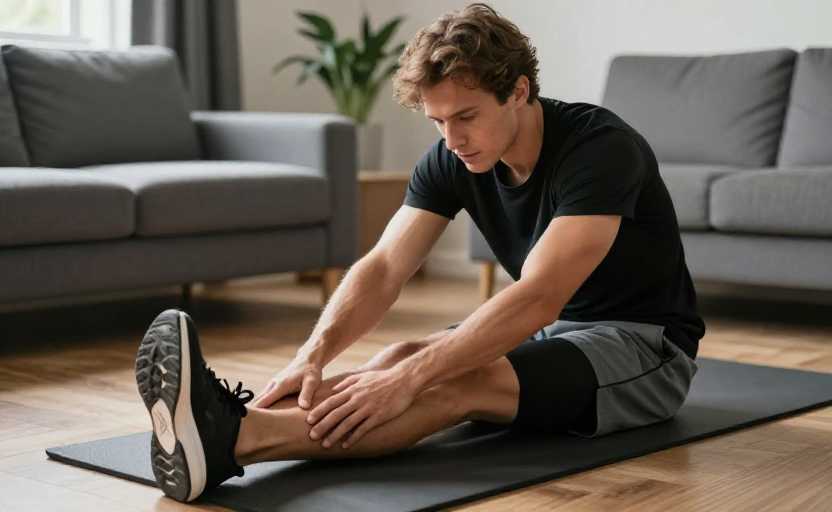
Structuring a Beginner’s Weekly Routine
Creating a balanced weekly schedule is essential for progress and recovery. A typical beginner’s week might include three days of strength training, two days of cardio, and one day dedicated to flexibility or active recovery. This structure ensures that the body has time to adapt while still making consistent improvements.
On strength days, focus on compound movements that target major muscle groups. For example, a session could start with bodyweight squats to work the lower body, followed by modified push-ups for the upper body, and end with a core circuit using planks and leg raises. Each exercise should be performed with controlled form, gradually increasing intensity over time.
Cardio sessions don’t need to be intense to be effective. A 20–30 minute walk at a comfortable pace or a light jog can significantly improve heart health and stamina. The goal here is consistency rather than speed or distance. Over time, these sessions can evolve into more dynamic activities like interval training or group classes.
Choosing the Right Tools and Environment
The environment in which a beginner trains can greatly influence their experience. While home workouts offer convenience and flexibility, they may lack the structure and accountability found in a gym setting. On the other hand, gyms provide access to equipment and professional guidance, which can be invaluable for learning proper technique.
For those who prefer working out at home, a few basic tools such as resistance bands, dumbbells, and a yoga mat can go a long way. These items allow for a variety of exercises that target different muscle groups and help keep workouts interesting. Additionally, online workout platforms and apps can serve as excellent resources for guided routines and progress tracking.

Building Long-Term Habits
One of the most important aspects of a beginner’s fitness journey is developing habits that last. Quick fixes and short-term gains often lead to burnout or inconsistent results. Instead, focusing on small, sustainable changes—like eating more whole foods, staying hydrated, and getting enough sleep—can have a profound impact on overall fitness and well-being.
It’s also helpful to set realistic, measurable goals. Whether it’s being able to perform 10 push-ups or run a mile without stopping, these milestones provide a sense of direction and achievement. Tracking progress through journals, photos, or fitness apps can reinforce motivation and highlight how far someone has come.
Conclusion
For anyone new to fitness, the path forward is not about immediate perfection but about gradual, meaningful progress. A well-rounded beginner’s training program should emphasize safety, consistency, and enjoyment. By focusing on the fundamentals, building a balanced routine, and cultivating healthy habits, newcomers can lay a strong foundation for lifelong physical wellness. The journey may be slow, but with patience and persistence, it can also be incredibly rewarding.
Disclaimer:
1. This article is sourced from the Internet. All content represents the author's personal views only and does not reflect the stance of this website. The author shall be solely responsible for the content.
2. Part of the content on this website is compiled from the Internet. This website shall not be liable for any civil disputes, administrative penalties, or other losses arising from improper reprinting or citation.
3. If there is any infringing content or inappropriate material, please contact us to remove it immediately. Contact us at:
