
The Terminology and Usage of Gym Equipment
Understanding the terminology and proper usage of gym equipment is essential for anyone looking to maximize their workout effectiveness while ensuring safety. Whether you're a beginner stepping into a fitness center for the first time or an experienced lifter aiming to refine your routine, familiarizing yourself with the names and functions of common gym machines and free weights can significantly enhance your training experience.
Common Types of Gym Equipment
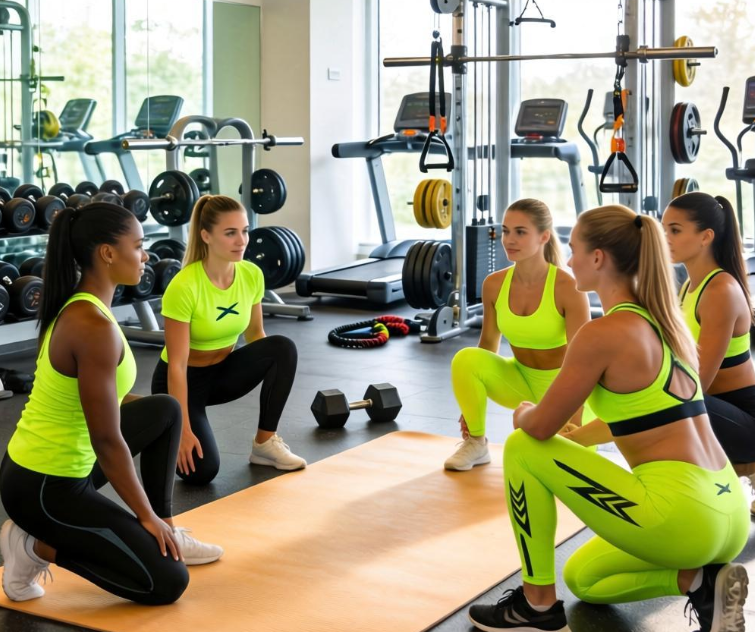
Gym facilities typically feature a variety of equipment designed to target different muscle groups and improve overall physical fitness. Among the most frequently encountered are treadmills, ellipticals, stationary bikes, and weight machines. Each of these serves a unique purpose, whether it's cardiovascular endurance, strength training, or flexibility improvement.
Treadmills are ideal for running or walking in a controlled environment, offering adjustable speed and incline settings. Elliptical trainers provide a low-impact alternative that mimics the motion of running without the joint stress. Stationary bikes are another popular choice for cardio workouts, often featuring resistance levels that simulate hill climbing or flat terrain.
Weight machines, such as leg press, chest press, and lat pulldown units, are engineered to guide users through specific movements, making them particularly useful for beginners who may not yet have the strength or coordination to perform free-weight exercises safely.
Free Weights: Dumbbells and Barbells
In contrast to machines, free weights like dumbbells and barbells offer greater flexibility and engagement of stabilizer muscles. Dumbbells come in a range of weights and are used for exercises such as bicep curls, shoulder presses, and squats. Barbells, on the other hand, are longer and allow for heavier lifts, commonly used in compound movements like deadlifts, bench presses, and rows.
Using free weights requires more core stability and body control, which can lead to better overall strength development. However, they also demand a higher level of awareness and proper form to prevent injury, especially when lifting heavier loads.

Proper Technique and Safety Considerations
Regardless of the equipment being used, proper technique is paramount. Many gym-goers overlook the importance of form, leading to unnecessary strain on joints and muscles. For instance, during a squat, maintaining a neutral spine and engaging the core helps distribute the load evenly and reduces the risk of lower back pain.
It's also crucial to start with lighter weights and gradually increase intensity. This approach allows the body to adapt and build strength over time, rather than pushing too hard too soon. Additionally, always warm up before beginning any workout session, and consider using a spotter when performing heavy lifts.
Real-World Application and Practical Tips
In practice, many individuals find that combining machine-based and free-weight exercises leads to the most well-rounded fitness results. For example, a typical full-body workout might include a session on the treadmill for cardiovascular conditioning, followed by a set of seated rows on a cable machine, and then some dumbbell exercises to target the arms and shoulders.
Another practical tip is to observe how others use the equipment, especially in a commercial gym setting. Watching experienced members can provide valuable insights into correct form and technique. Moreover, don't hesitate to ask a trainer for guidance if you're unsure about how to operate a particular machine or perform an exercise correctly.
Conclusion
Mastering the terminology and understanding the proper use of gym equipment is a foundational step toward achieving fitness goals. By learning how to navigate the various tools available, individuals can create effective, safe, and sustainable workout routines. Whether you prefer the structure of machines or the versatility of free weights, the key lies in consistency, patience, and a commitment to continuous improvement. With the right knowledge and approach, every visit to the gym can be a productive and rewarding experience.
Disclaimer:
1. This article is sourced from the Internet. All content represents the author's personal views only and does not reflect the stance of this website. The author shall be solely responsible for the content.
2. Part of the content on this website is compiled from the Internet. This website shall not be liable for any civil disputes, administrative penalties, or other losses arising from improper reprinting or citation.
3. If there is any infringing content or inappropriate material, please contact us to remove it immediately. Contact us at:
