
The Comprehensive Guide to Becoming a Professional Fitness Trainer
In the dynamic world of fitness, the role of a personal trainer extends far beyond simply guiding clients through workout routines. A successful trainer must embody expertise, empathy, and adaptability, all while maintaining a deep understanding of human physiology, nutrition, and motivational psychology. This guide outlines the essential components of a professional fitness trainer’s journey, offering insights that bridge theory with real-world application.
Understanding the Role of a Fitness Trainer
A fitness trainer is not just an instructor but a mentor, coach, and sometimes even a cheerleader for their clients. The core responsibility involves designing and implementing safe, effective exercise programs tailored to individual goals—whether it's weight loss, muscle gain, or overall wellness. However, the role also requires strong communication skills, as trainers must continuously assess client progress, adjust plans accordingly, and provide encouragement without being overbearing.
Consider a scenario where a new client arrives at a gym with little experience. The trainer must first build trust, understand the client’s motivations, and then create a structured yet flexible plan. This process demands both technical knowledge and interpersonal finesse, making the trainer’s role multifaceted and deeply rewarding.
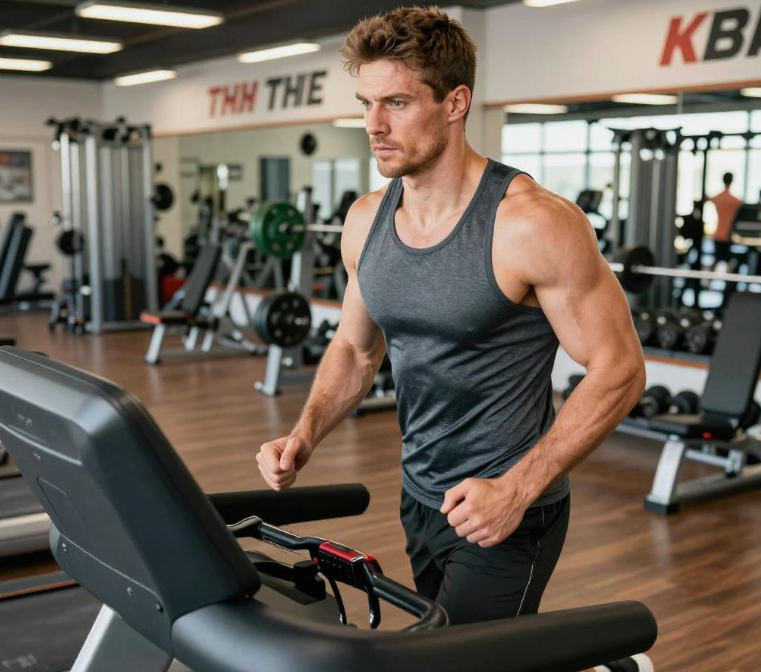
Essential Knowledge and Skills
To excel in this field, a trainer must possess a solid foundation in anatomy, kinesiology, and exercise science. These disciplines form the backbone of any training program, ensuring that exercises are performed correctly and safely. Additionally, understanding basic nutrition principles allows trainers to offer holistic advice that supports physical performance and recovery.
Beyond academic knowledge, practical skills such as proper form demonstration, equipment usage, and injury prevention are crucial. For instance, when teaching a squat, a trainer must not only show the movement but also explain the biomechanics involved, ensuring the client can replicate it independently without risk.
Building a Client-Centered Approach
One of the most critical aspects of being a successful trainer is adopting a client-centered mindset. Every individual has unique needs, preferences, and limitations. A rigid, one-size-fits-all approach rarely leads to long-term success. Instead, trainers should focus on creating personalized experiences that foster engagement and commitment.
Imagine working with a client who is recovering from an injury. The trainer must modify the routine, perhaps incorporating low-impact exercises and emphasizing mobility work. This flexibility not only prevents further harm but also builds a stronger, more trusting relationship with the client.

Continuous Learning and Professional Development
Fitness is an ever-evolving field, with new research, techniques, and trends emerging regularly. A dedicated trainer must commit to lifelong learning, whether through formal education, certifications, or self-study. Staying updated ensures that the trainer remains relevant and capable of delivering the best possible service.
For example, the rise of wearable technology and fitness apps has changed how clients track progress. Trainers who understand these tools can better support their clients, integrating data into training sessions and helping them stay motivated through measurable outcomes.
Ethics and Accountability
Professional integrity is non-negotiable in the fitness industry. Trainers must uphold ethical standards by avoiding misleading claims, respecting client privacy, and maintaining transparency in pricing and services. Accountability goes beyond just following rules—it involves taking responsibility for the impact of one’s actions on others.
A trainer who genuinely cares about their clients’ well-being will often go the extra mile, whether it’s checking in between sessions or adjusting a program based on feedback. This kind of dedication fosters loyalty and sets a trainer apart in a competitive market.
Conclusion
Becoming a skilled fitness trainer requires a blend of scientific knowledge, practical expertise, and emotional intelligence. It is a profession that demands continuous growth, adaptability, and a genuine passion for helping others achieve their health goals. Whether you are just starting out or looking to refine your practice, embracing a holistic and client-focused approach will set you on the path to long-term success. The journey may be challenging, but the rewards—both personal and professional—are immeasurable.
Disclaimer:
1. This article is sourced from the Internet. All content represents the author's personal views only and does not reflect the stance of this website. The author shall be solely responsible for the content.
2. Part of the content on this website is compiled from the Internet. This website shall not be liable for any civil disputes, administrative penalties, or other losses arising from improper reprinting or citation.
3. If there is any infringing content or inappropriate material, please contact us to remove it immediately. Contact us at:
