
Women's Strength Training: A Pathway to Empowerment and Health
The importance of strength training for women has evolved from a niche interest to a mainstream movement, reflecting broader societal shifts toward holistic health and personal empowerment. Far beyond the traditional focus on aesthetics, modern strength training offers women a powerful tool to enhance physical resilience, mental clarity, and long-term well-being.
Redefining Strength: Beyond the Gym
Strength training is no longer confined to the gym or associated solely with bodybuilding. For many women, it serves as a transformative practice that builds not just muscle but confidence. Consider the story of Sarah, a 35-year-old teacher who began weightlifting to manage chronic back pain. Within months, she noticed improvements in her posture, energy levels, and even her ability to handle daily tasks with greater ease. Her experience is not unique—many women find that strength training becomes a cornerstone of their overall wellness journey.
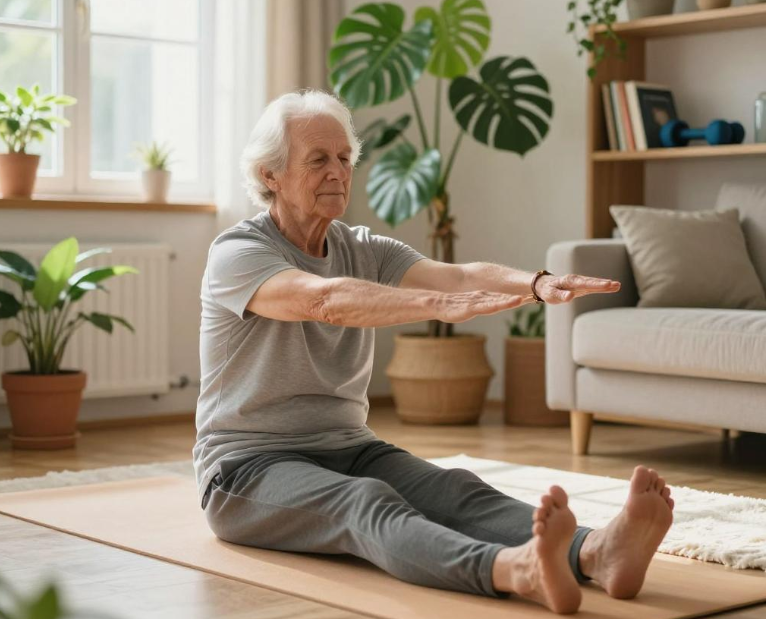
The Science Behind the Benefits
Research consistently highlights the physiological advantages of strength training for women. It increases lean muscle mass, boosts metabolism, and enhances bone density, which is particularly important during menopause when osteoporosis risk rises. Moreover, studies show that resistance exercises can improve mood and reduce symptoms of anxiety and depression. The release of endorphins during training acts as a natural stress reliever, offering both physical and emotional benefits.
Breaking Myths and Building Confidence
One of the most persistent myths surrounding strength training for women is the fear of becoming "too muscular." This misconception often deters women from engaging in resistance-based workouts. However, the reality is that women have lower testosterone levels than men, making it significantly harder to build large muscles. Instead, strength training helps sculpt a stronger, more defined physique without the bulk many fear.
Beyond the physical, the psychological impact is profound. As women lift heavier weights, they often report feeling more empowered in other areas of life. The sense of accomplishment from completing a challenging workout translates into increased self-efficacy, fostering a mindset of resilience and determination.
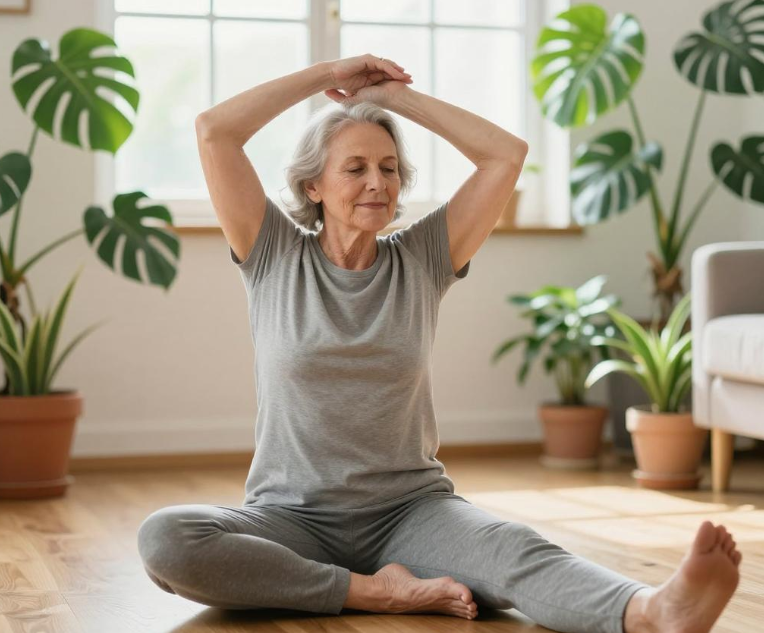
Practical Tips for Starting Out
For those new to strength training, starting small and being consistent is key. A simple routine that includes bodyweight exercises like squats, push-ups, and planks can serve as a solid foundation. Gradually introducing resistance bands or light dumbbells can help build strength safely. It’s also beneficial to work with a certified trainer who understands the unique needs of female clients, ensuring proper form and minimizing injury risks.
Another effective approach is to incorporate functional movements that mimic everyday activities. Think of lifting groceries, carrying children, or climbing stairs—these are all real-life scenarios where strength makes a difference. Training for these practical applications not only improves fitness but also enhances quality of life.
A Growing Community and Supportive Environment
The rise of women-only fitness groups, online communities, and social media platforms dedicated to strength training has created a supportive environment for women to explore and grow. These spaces offer encouragement, share success stories, and provide resources that make the journey more accessible and enjoyable. Whether through virtual coaching sessions or local meetups, women are finding solidarity and motivation in shared goals.
Conclusion: Strength as a Form of Self-Care
Strength training for women is more than a fitness trend—it is an act of self-care, empowerment, and long-term investment in health. By embracing this practice, women can unlock a range of physical and mental benefits that extend far beyond the gym. As more individuals recognize its value, the conversation around women’s strength continues to evolve, breaking down barriers and redefining what it means to be strong.
Disclaimer:
1. This article is sourced from the Internet. All content represents the author's personal views only and does not reflect the stance of this website. The author shall be solely responsible for the content.
2. Part of the content on this website is compiled from the Internet. This website shall not be liable for any civil disputes, administrative penalties, or other losses arising from improper reprinting or citation.
3. If there is any infringing content or inappropriate material, please contact us to remove it immediately. Contact us at:
