
Aerobic Exercise: What It Includes and Why It Matters
Aerobic exercise, often referred to as cardio, is a vital component of a well-rounded fitness routine. It involves continuous, rhythmic physical activity that elevates the heart rate and improves the body’s ability to use oxygen efficiently. This type of exercise not only strengthens the cardiovascular system but also enhances endurance, supports weight management, and contributes to overall mental well-being.
Understanding the Basics of Aerobic Exercise
At its core, aerobic exercise is any movement that engages large muscle groups in a steady, repetitive manner. The key characteristic is that it is sustained over a period of time, typically at least 10 minutes, allowing the body to maintain an elevated heart rate. Unlike anaerobic activities, which are short and intense, aerobic exercises focus on building stamina and improving the efficiency of the heart and lungs.
One common way to measure the intensity of aerobic exercise is through heart rate monitoring. A general guideline is to aim for 50% to 85% of your maximum heart rate, which can be estimated by subtracting your age from 220. This range ensures that the workout is both effective and safe for most individuals.

Common Examples of Aerobic Activities
There is a wide variety of activities that fall under the umbrella of aerobic exercise. Running, cycling, swimming, and brisk walking are among the most popular choices. Each of these activities offers unique benefits depending on the individual's goals and preferences.
For instance, running is a high-impact activity that is excellent for building cardiovascular strength and burning calories. Cycling, on the other hand, is low-impact and places less stress on the joints, making it a suitable option for those with knee or hip issues. Swimming provides a full-body workout while being gentle on the body, ideal for rehabilitation or general fitness.
Brisk walking might seem simple, but it is one of the most accessible forms of aerobic exercise. It requires no special equipment and can be done almost anywhere. For beginners, starting with short walks and gradually increasing the duration and speed can lead to significant improvements in fitness levels over time.
The Benefits Beyond the Gym
The advantages of aerobic exercise extend far beyond physical fitness. Regular participation can reduce the risk of chronic diseases such as heart disease, diabetes, and certain types of cancer. It also plays a crucial role in mental health by reducing symptoms of depression and anxiety, improving sleep quality, and boosting cognitive function.
Moreover, aerobic exercise has been shown to enhance mood and increase energy levels. The release of endorphins during activity—often called the "runner's high"—can create a sense of euphoria and improve overall emotional well-being. This makes aerobic exercise not just a tool for physical health but also a valuable strategy for maintaining psychological balance.
Incorporating Aerobic Exercise into Daily Life
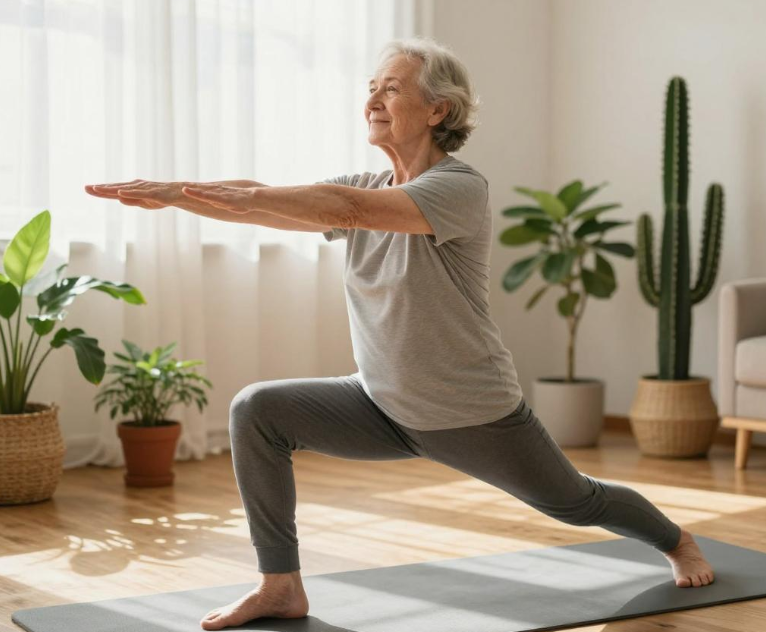
Integrating aerobic exercise into daily routines doesn’t have to be complicated. Small changes, such as taking the stairs instead of the elevator or walking to nearby destinations, can add up over time. For those with more structured schedules, setting aside specific times for exercise can help build consistency.
It’s also important to vary the types of aerobic activities to prevent boredom and ensure balanced development. Trying new sports, joining group classes, or using fitness apps can keep the routine engaging and challenging. Additionally, tracking progress through journals or wearable technology can provide motivation and a sense of achievement.
Conclusion
In summary, aerobic exercise encompasses a broad range of activities designed to improve cardiovascular health and overall fitness. Whether it's running, cycling, swimming, or even brisk walking, each form of aerobic activity offers distinct benefits that contribute to long-term wellness. By understanding what constitutes aerobic exercise and how to incorporate it into daily life, individuals can take meaningful steps toward a healthier, more active lifestyle.
Disclaimer:
1. This article is sourced from the Internet. All content represents the author's personal views only and does not reflect the stance of this website. The author shall be solely responsible for the content.
2. Part of the content on this website is compiled from the Internet. This website shall not be liable for any civil disputes, administrative penalties, or other losses arising from improper reprinting or citation.
3. If there is any infringing content or inappropriate material, please contact us to remove it immediately. Contact us at:
